
Health Naturally
Health Naturally
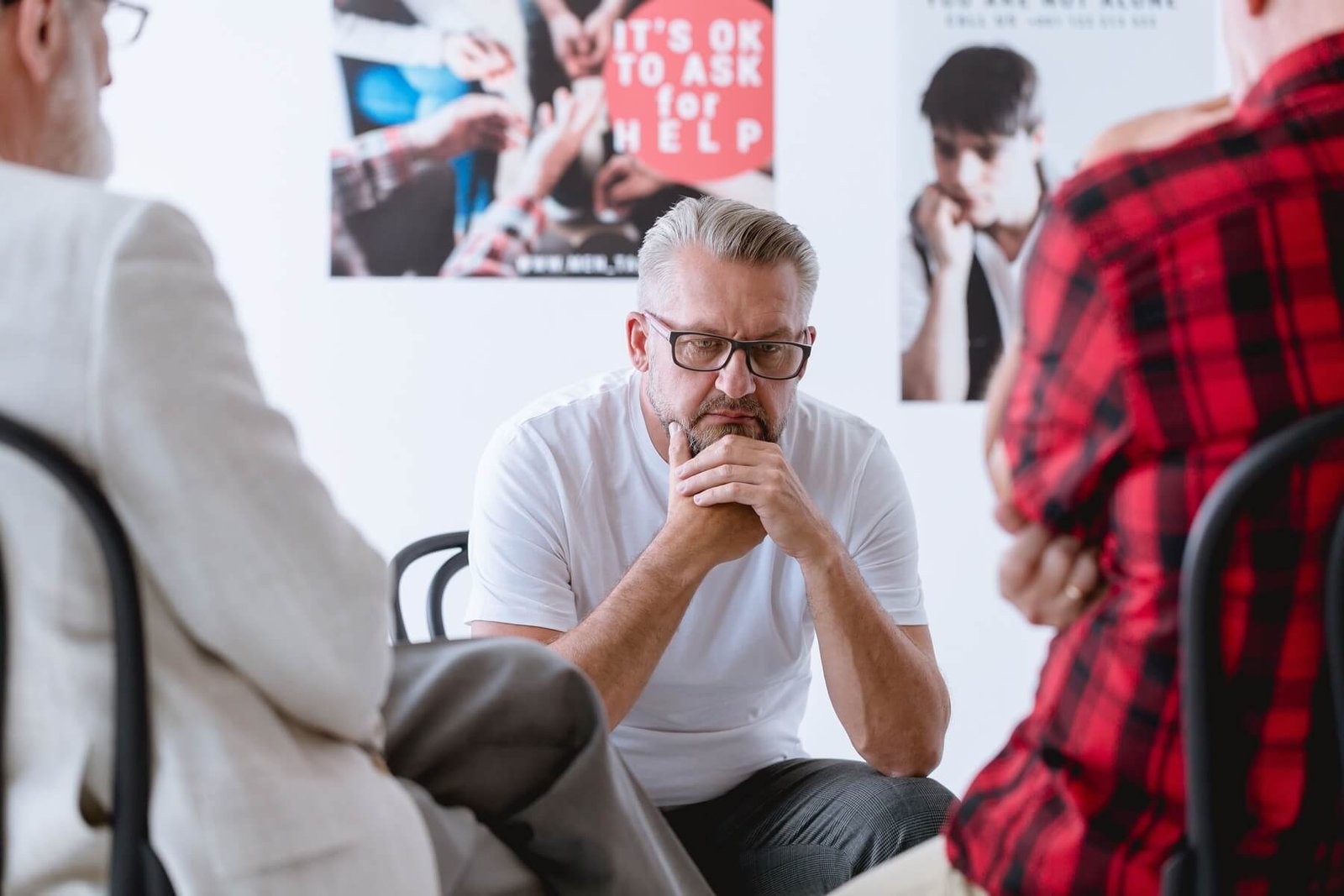
Talking to the man in your life about mental health works best when approached with patience, understanding and a non-judgmental tone. Choose a calm moment and start gently, focusing on care rather than criticism. Encourage him to open up by asking how he’s been feeling and really listening without trying to “fix” everything immediately. Normalise the conversation by reminding him that stress, anxiety or low moods are common and nothing to be ashamed of. Reassure him that seeking support is a sign of strength, not weakness. Most importantly, stay consistent, offer empathy and let him know he doesn’t have to face things alone.
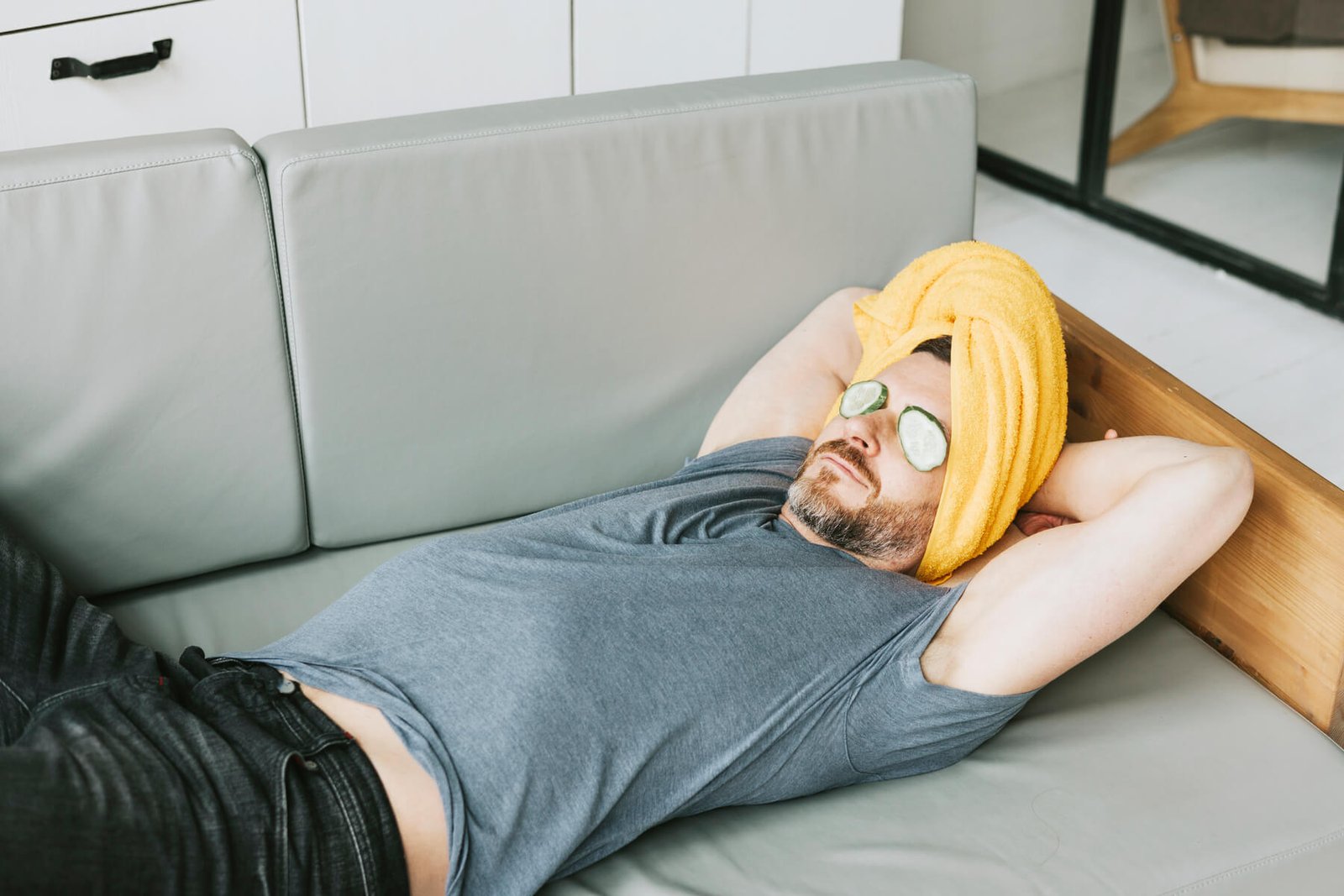
Better sleep, according to scientific research, comes from supporting your body’s natural circadian rhythm. Going to bed and waking up at the same time each day strengthens this internal clock. Limiting bright screens in the hour before bed helps melatonin rise naturally. A cool, dark, quiet bedroom improves sleep quality, while reducing caffeine, alcohol and heavy meals late in the day prevents disruptions. Regular daytime exercise promotes deeper sleep, but intense workouts should be avoided close to bedtime. Studies also show that relaxing routines—such as reading, gentle stretching or deep breathing—help the brain transition into rest mode. Consistency is key to long-term improvement.

Yes — strong scientific evidence shows that regular exercise can reduce both anxiety and depression. Physical activity stimulates the release of endorphins and neurotransmitters like serotonin and dopamine, which elevate mood and reduce stress. Exercise also lowers inflammation, improves sleep and increases resilience to daily stressors. Even moderate activity, such as brisk walking for 30 minutes, has been shown to significantly reduce symptoms in many people. Structured workouts, strength training and aerobic exercise all provide benefits, while outdoor movement adds the positive effects of sunlight and nature. Although not a replacement for professional treatment when needed, exercise is a powerful, accessible tool for improving mental health.

Exercise and junk food often pull in opposite directions, but their relationship is more complex than it seems. Regular physical activity boosts metabolism, improves mood and supports overall health, but it cannot fully counteract the effects of frequent junk-food consumption. Highly processed foods high in sugar, unhealthy fats and additives can cause inflammation, energy crashes and weight gain, even in active people. Exercise may reduce some negative impacts, such as insulin spikes or stress levels, but a consistently poor diet still undermines long-term wellbeing. Balancing movement with nourishing, whole foods creates a far stronger foundation for energy, performance and overall health than relying on workouts alone.
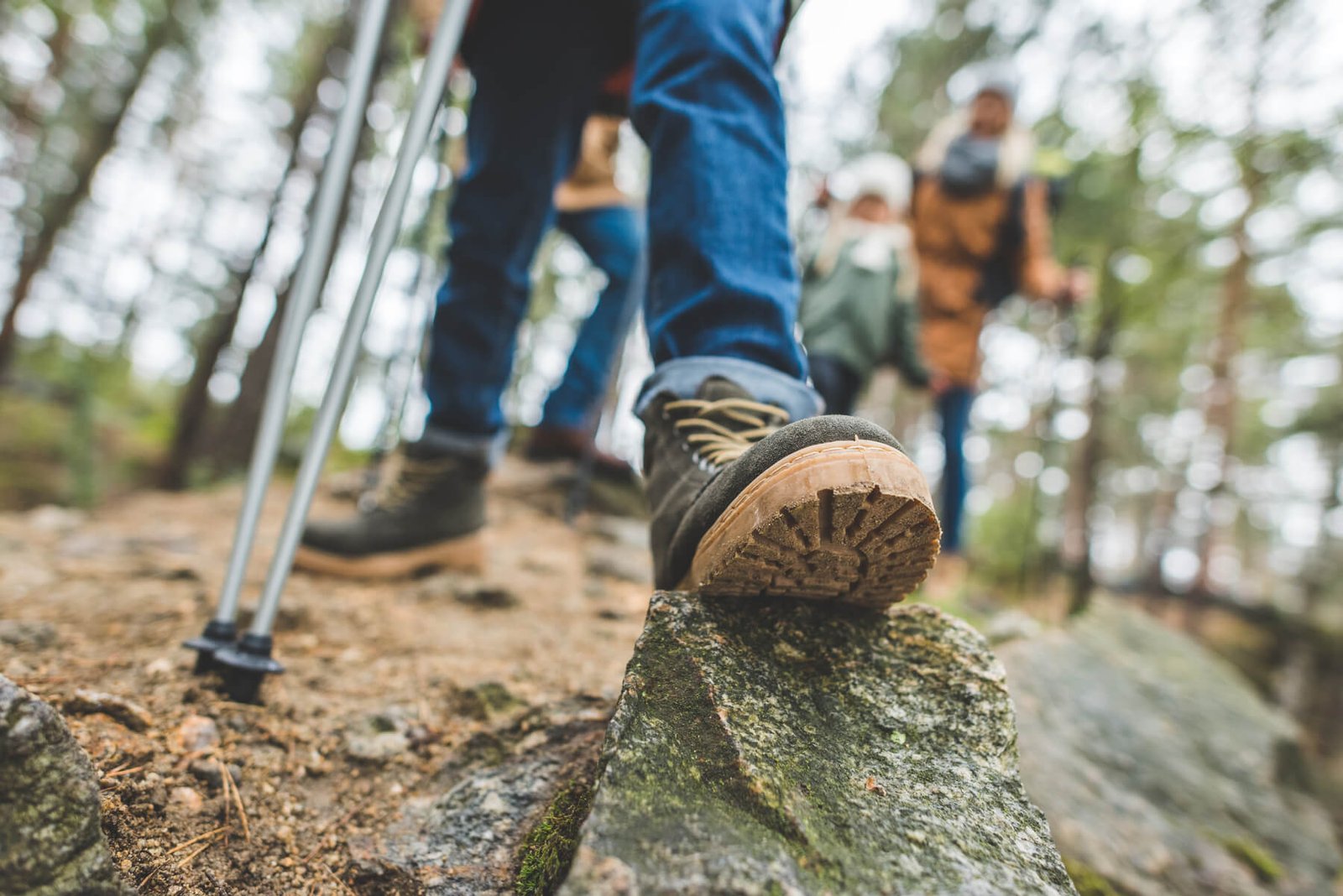
It’s time to get your walking boots back on and rediscover the simple power of movement. Walking is one of the most accessible ways to boost energy, clear your mind and reconnect with your surroundings. Whether you head into nature, explore local trails or just take a quiet stroll around your neighbourhood, each step supports heart health, strengthens muscles and lifts your mood. After periods of inactivity, walking offers a gentle, sustainable way to rebuild fitness without pressure. It can be social, reflective or invigorating depending on what you need. Lace up, step outside and let regular walking become a refreshing part of your routine again.
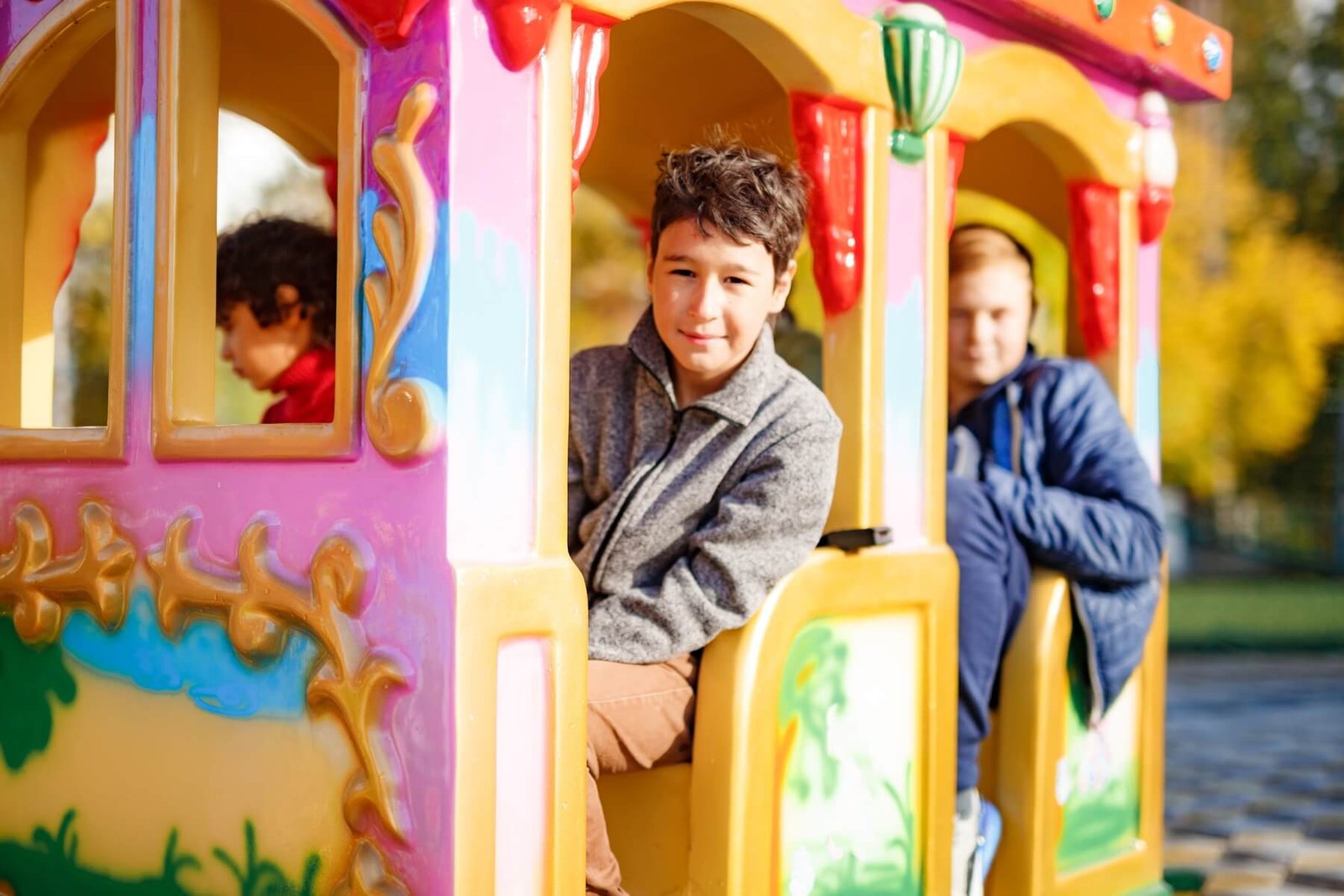
School holidays are the perfect time to enjoy healthy, fun activities with kids. Outdoor adventures like nature walks, bike rides or beach days keep them active and curious. Cooking simple, nutritious meals together teaches valuable skills and encourages better eating habits. Creative projects—painting, crafting or building—support imagination and problem-solving. Gardening helps children understand where food comes from while getting fresh air and sunshine. Limit screen time by planning board-game afternoons, library visits or local museum trips. Encourage social playdates or sports to build confidence and teamwork. Most importantly, mix structure with freedom so kids stay engaged, active and emotionally balanced throughout the break.